
Introduction
An effective HR strategy connects how you hire, develop, and support people to what the business is trying to achieve. Without that link, HR becomes a list of tasks rather than a driver of growth.
The good news is that a strong strategy doesn’t need to be complicated. It needs clear goals, honest data about how things work today, and tools that let your team spend less time on admin and more time on people.

The best HR strategies don’t start with policies. They start with understanding what people need to do their best work.— HR SOLS Team, People Operations
Start with the company plan for the next year. If the business is expanding into new locations, HR priorities might be recruitment speed, consistent policies across sites, and reliable multi-site attendance tracking.
Write down three to five outcomes HR will commit to, such as reducing time-to-hire, improving onboarding satisfaction, or cutting payroll corrections. Each one should be measurable so you can tell whether it’s working.
Audit your current processes
Before changing anything, map how work actually happens today. Talk to managers and employees, and look for steps that are slow, repeated, or done outside your systems.
- Where do approvals get stuck?
- Which tasks are still done on paper or in spreadsheets?
- What do employees ask HR about most often?
Invest in the right tools
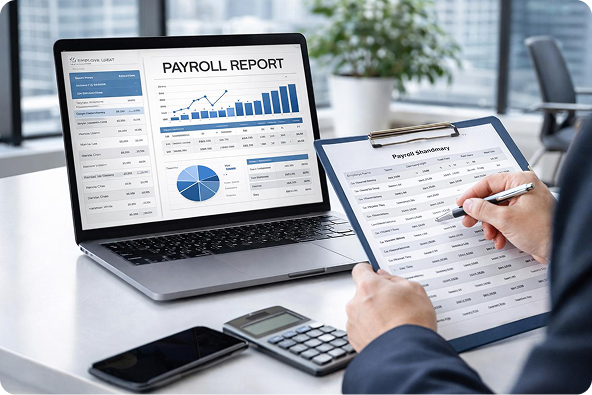
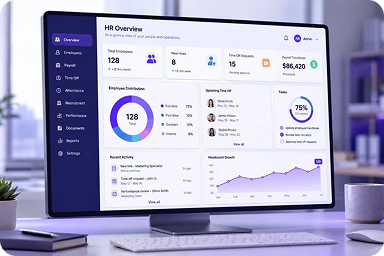
A single HR platform reduces duplicate data entry and gives leaders visibility across people, attendance, payroll, and performance. When attendance flows straight into payroll, for example, monthly corrections drop sharply.
- Centralise employee records and documents in one place.
- Automate leave approvals and attendance tracking.
- Connect attendance to payroll so pay runs use real data.

Review and adapt
Set a few measurable targets, such as time-to-hire, absence rate, or employee satisfaction, and review them every quarter. Share progress openly so managers can see how HR supports their goals.